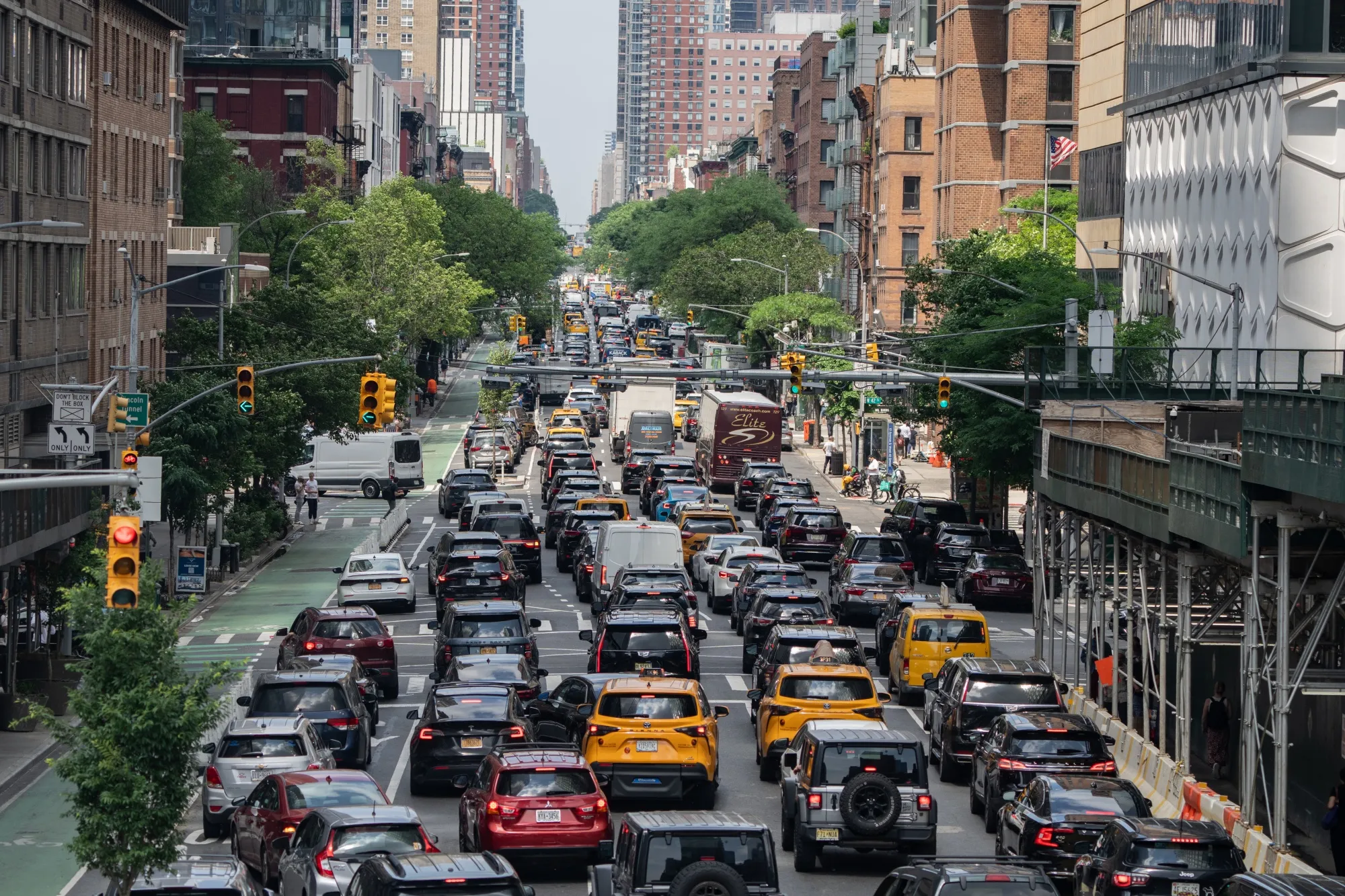
New York City is a bustling metropolis renowned for its culture, diversity, and dynamism. However, it’s also notorious for its traffic congestion. With over 8 million residents and millions more commuting into the city daily, managing traffic is a monumental challenge. Enter data analytics—a powerful tool that can help transform the way NYC approaches traffic management, enhancing efficiency, safety, and sustainability.
The Role of Data Analytics in Traffic Management
Data analytics leverages vast amounts of information collected from sensors, cameras, GPS devices, and other sources to derive actionable insights. Here’s how it can revolutionize traffic management in NYC:
- Real-Time Traffic Monitoring:
- Advanced data analytics platforms can process real-time traffic data to identify congestion hotspots, accidents, or road closures. This information allows for dynamic adjustments to traffic signals, rerouting strategies, and timely public announcements.
- Predictive Analytics:
- Using historical traffic data and machine learning algorithms, predictive analytics can forecast traffic patterns, enabling authorities to proactively manage potential congestion during peak hours, events, or adverse weather conditions.
- Optimized Traffic Signal Systems:
- Data-driven signal optimization can reduce idle times at intersections. Smart traffic lights, informed by real-time and historical data, can adapt to changing traffic conditions, improving flow and reducing emissions.
- Public Transportation Insights:
- Data analytics helps identify overcrowded routes, inefficient schedules, and delays in public transit systems. Enhancing public transportation based on these insights can encourage more people to opt for buses, subways, and trains over private vehicles.
Key Applications in NYC Traffic
- Congestion Pricing:
- NYC’s congestion pricing plan, set to launch in the coming years, will rely heavily on data analytics to monitor traffic flow, calculate toll rates, and assess the program’s impact. Analytics will also provide transparency and accountability to stakeholders.
- Ride-Sharing Regulation:
- With the rise of ride-sharing platforms like Uber and Lyft, data analytics can assess their impact on traffic congestion. This information can inform policies such as vehicle caps, zoning restrictions, and dynamic pricing.
- Bike Lane Expansion:
- Analytics can identify high-demand areas for cycling infrastructure, ensuring bike lanes are strategically placed to maximize safety and accessibility.
- Pedestrian Safety:
- By analyzing pedestrian movement data, the city can implement measures such as improved crosswalk designs, pedestrian-only zones, and better lighting to enhance safety.
Challenges in Implementing Data Analytics
- Data Integration:
- Combining data from multiple sources, such as public transportation systems, private companies, and city infrastructure, can be complex.
- Privacy Concerns:
- Collecting and analyzing traffic data must comply with privacy regulations and address public concerns about surveillance.
- Infrastructure Limitations:
- Implementing advanced analytics requires upgrading outdated infrastructure, such as traffic lights and road sensors.
- Equity Issues:
- Ensuring that data-driven solutions benefit all communities, including underserved areas, is critical to promoting equitable urban mobility.
The Future of Traffic Management in NYC
As technology advances, the integration of data analytics with other innovations like autonomous vehicles, Internet of Things (IoT) devices, and 5G connectivity promises to further enhance NYC’s traffic systems. Key future developments include:
- Autonomous Traffic Management: AI-driven systems can make split-second decisions to reroute traffic, minimizing delays and accidents.
- Hyper-Localized Insights: With granular data from IoT devices, the city can address traffic issues at the block level.
- Sustainability Metrics: Analytics can track and reduce the carbon footprint of NYC’s transportation systems by promoting green mobility options.
Conclusion
Data analytics holds immense potential to transform traffic management in New York City. By leveraging real-time data, predictive insights, and advanced technologies, the city can alleviate congestion, improve safety, and enhance the overall commuting experience. However, successful implementation requires addressing challenges related to data integration, privacy, and equity. With strategic planning and community collaboration, data-driven traffic solutions can pave the way for a smarter, more sustainable NYC.